Russia Opens Crypto Loophole to Evade Sanctions, but Cash-Out Routes Remain Restricted

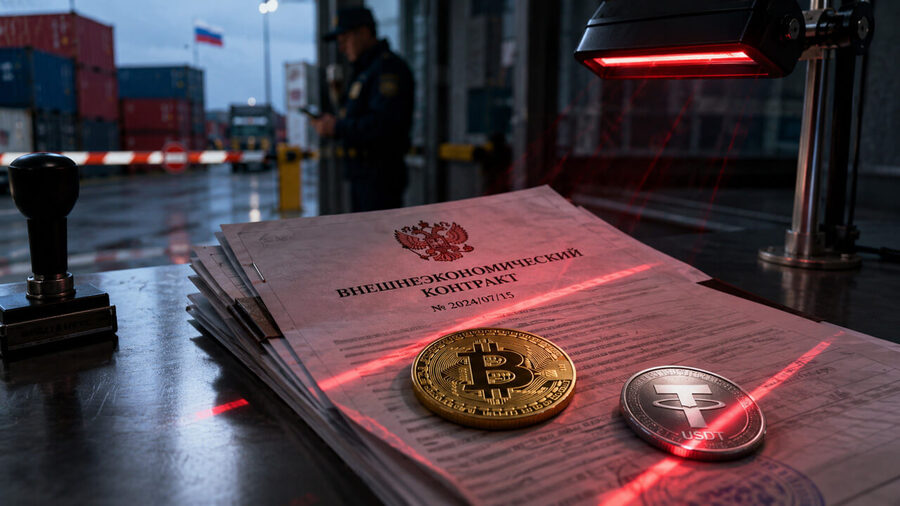
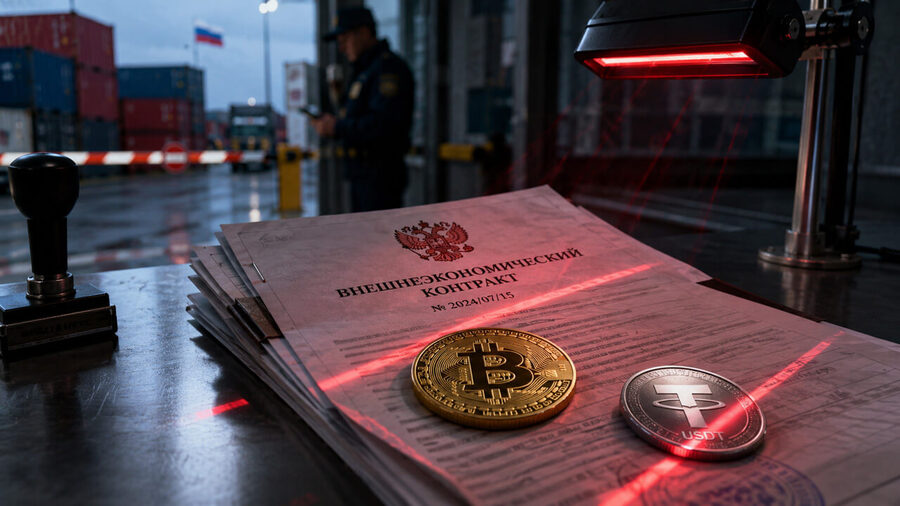
Russia has introduced a new system that allows selected companies to use cryptocurrency for cross-border trade, creating a real-world test of whether digital assets can help reduce the impact of Western sanctions.
The Bank of Russia said approved exporters and importers can settle international trade payments with cryptocurrencies under a special experimental legal regime (ELR). The program is limited to selected participants and specific foreign trade transactions.
Under the new rules, Russia has established a government-backed payment channel for crypto-based trade. However, while these transactions are legal under Russian law, they still depend on global crypto infrastructure that remains subject to international sanctions.
Legal approval does not guarantee successful payments
The new framework gives Russian businesses an official way to use crypto for international trade, especially when traditional banking channels have become slow, expensive, or inaccessible because of sanctions.
However, completing a crypto transaction requires more than legal approval inside Russia. Both trading partners must agree to use digital assets, while exchanges, wallet providers, custodians, brokers, and liquidity providers are still needed to process and settle the payments.
If a transaction uses dollar-backed stablecoins such as USDT or USDC, issuers can still freeze assets or restrict access to comply with sanctions. Bitcoin avoids issuer control because it has no central company behind it, but payments still rely on exchanges, brokers, wallet services, and other intermediaries that may enforce sanctions.
As a result, Russia’s crypto trade corridor is not only a legal experiment but also a test of whether global crypto service providers are willing to support transactions involving sanctioned entities.
Sanctions remain a major obstacle
The U.S. Treasury continues to require crypto companies to monitor transactions, block sanctioned activity, and maintain compliance programs, even when payments are made with digital assets instead of traditional banking systems.
Authorities have already targeted parts of Russia’s crypto industry. In 2022, the U.S. sanctioned Russian crypto exchange Garantex, demonstrating that regulators can target exchanges and other service providers involved in crypto transactions.
This means enforcement is no longer focused only on banks. Exchanges, custodians, wallet providers, and stablecoin issuers may also become targets if they facilitate sanctioned transactions.
Bitcoin and stablecoins offer different advantages
Bitcoin and stablecoins each present different opportunities and challenges for cross-border settlements.
Bitcoin cannot be frozen by a central issuer because it operates on a decentralized network. This makes it harder to block directly at the asset level. However, businesses still need exchanges, brokers, custody services, and liquidity providers to convert Bitcoin into usable funds, creating potential points where sanctions can still be enforced.
Stablecoins, including USDT and USDC, are generally more practical for international trade because their value remains close to the U.S. dollar. This makes pricing goods and settling invoices easier than using Bitcoin, whose price can fluctuate significantly.
The drawback is that stablecoin issuers have greater control over their tokens. They can freeze wallets, restrict transactions, or comply with government sanctions when required, making stablecoins more vulnerable to regulatory action.
The success of the program remains uncertain
So far, Russian authorities have not disclosed which companies are participating in the experimental regime, what cryptocurrencies are being used, or the total value of transactions completed through the system.
Without that information, it remains unclear whether the program will become a meaningful alternative for international trade or remain limited in scale.
The next important signs will come from real-world activity rather than legal announcements. Investors and analysts will watch for new participants, larger transaction volumes, stablecoin restrictions, exchange policies, additional sanctions, and whether foreign businesses are willing to continue using Russia’s crypto payment corridor.
Ultimately, the success of Russia’s new system will depend less on its legal framework and more on whether the global crypto ecosystem continues to provide the infrastructure needed to complete cross-border payments.