Surge in Crypto-Related Kidnappings in France Exposes the Personal Data Trail Behind Wrench Attacks

France Faces Rising Wave of Crypto-Related Kidnappings as Personal Data Becomes a New Security Risk
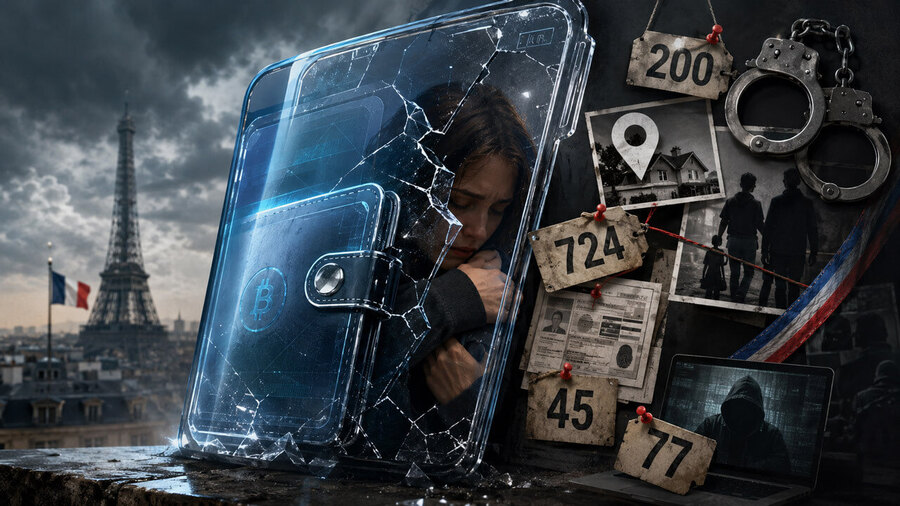
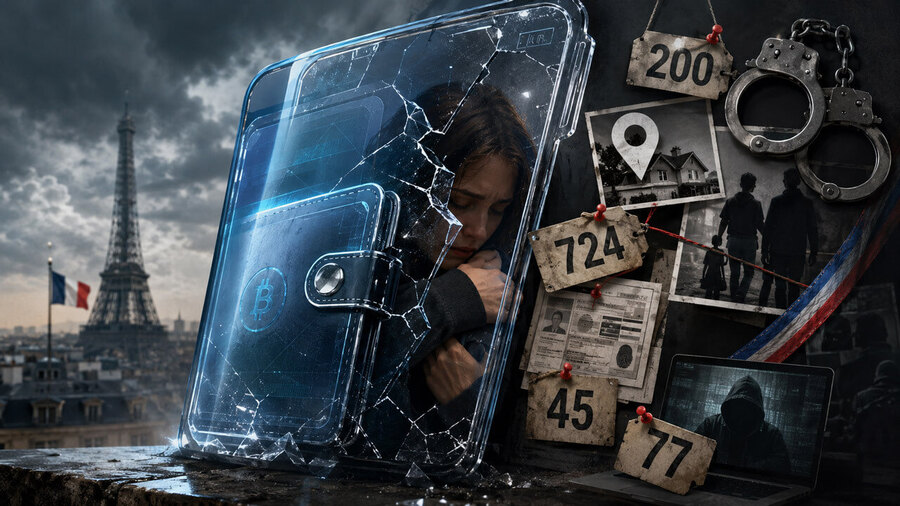
France is facing a growing number of crypto-related kidnappings and extortion cases, showing that the biggest threat to crypto investors is no longer limited to hacked wallets or stolen private keys. Criminals are increasingly targeting the people behind the digital assets.
French Interior Minister Laurent Nuñez said authorities have recorded 77 cases in 2026 involving kidnapping, unlawful detention, extortion, or attempted extortion linked to the crypto industry. The figure is up sharply from 45 cases reported throughout 2025.
To respond to the growing threat, French police have arrested around 200 suspects and enrolled 724 people from the crypto sector in a special identification system that helps emergency services quickly recognize individuals considered at high risk.
Personal data becomes a security threat
The increase in attacks shows that crypto security is no longer just about protecting private keys, seed phrases, or hardware wallets. Criminals are now using personal information, such as home addresses, job positions, travel routines, and social media activity, to identify and target victims.
Founders, company executives, employees, public investors, and other well-known crypto holders face a greater risk because their identities and wealth are often easier to trace.
As a result, companies are being urged to treat personal information and physical security as an important part of their overall security strategy.
France strengthens cooperation against organized crime
The French government is expanding cooperation between law enforcement and the crypto industry to tackle the problem.
Nuñez said the strategy focuses on three main areas: improving intelligence sharing, strengthening cooperation between the government and crypto industry groups, and increasing coordination with foreign authorities, since many criminal organizers may operate outside France.
Authorities believe many attacks are carefully planned using information gathered from public records, leaked customer data, company filings, and social media, rather than blockchain transactions alone.
Physical attacks are increasing worldwide
Blockchain analysis firms have also warned that physical attacks against crypto holders are becoming more common.
According to Chainalysis, criminals are increasingly forcing victims to transfer crypto assets through threats and violence. Meanwhile, CertiK recorded 72 verified physical coercion incidents worldwide in 2025, up 75% from the previous year, with kidnappings accounting for most cases.
Although the figures come from different sources and cannot be directly compared, they point to the same trend: crypto ownership is becoming a physical security risk as well as a cybersecurity issue.
France expands protection measures
France began introducing stronger protections for crypto industry participants in 2025. The measures include priority emergency assistance, home security assessments, cybersecurity support, and cooperation with elite police units.
The government has also taken steps to protect personal information. A new regulation allows company executives to keep their home addresses private in official company records, making it harder for criminals to identify potential targets.
Security now goes beyond digital assets
The recent attacks highlight that strong wallet security alone is no longer enough. Companies and high-profile crypto holders also need to reduce the amount of personal information available online, strengthen internal security procedures, and prepare clear emergency response plans.
Experts say crypto security is entering a new phase where protecting people is just as important as protecting digital assets.
France’s response could become a model for other countries if it successfully reduces these attacks. Otherwise, criminals may continue adapting by exploiting leaked personal data and operating across international borders.