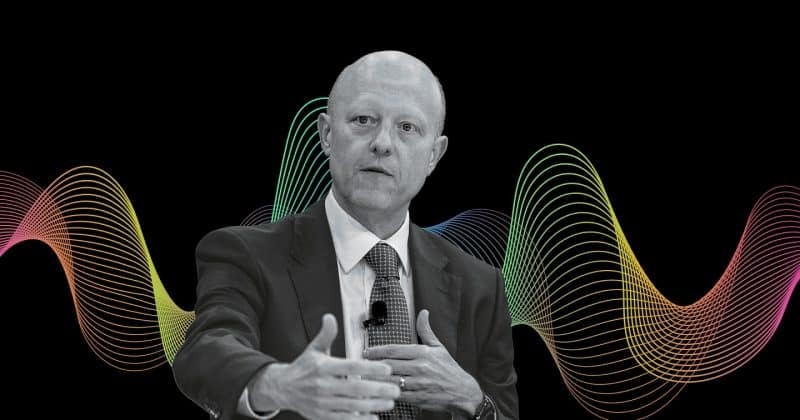
PBOC Pushes for Stronger Stablecoin Regulation Amid Rapid Growth of the Crypto Ecosystem

China Tightens Focus on Stablecoin Regulation Amid Global Financial Uncertainty
China is increasing its focus on stablecoin regulation as global financial systems face growing challenges from geopolitical tensions and increasing market fragmentation. The statement came from Wang Xin, Head of the Research Bureau at the People’s Bank of China (PBOC), during the 2026 Lujiazui Forum held on June 17.
Wang said the international payment system now requires stronger security, political neutrality, and better efficiency to ensure global economic activity continues to run smoothly. According to him, modernizing payment infrastructure has become a key step in building a more resilient global financial system.
He explained that global economic growth depends on large cross-border investment flows. To support this, the world needs payment systems capable of processing international transactions quickly and securely. However, current global payment infrastructure is becoming increasingly vulnerable to disruptions, including political pressure from various countries.
Amid these conditions, China is paying closer attention to the architecture of international payment networks. Wang warned that global financial transactions could be disrupted if payment systems are used as political tools. For that reason, he urged stronger cooperation among central banks, financial regulators, and international institutions.
Wang also highlighted that stablecoins could play a bigger role in international payments in the future. However, he stressed that regulators must establish clear rules before stablecoins see broader global adoption.
China is also continuing to monitor the development of Central Bank Digital Currencies (CBDCs). According to Wang, the use of CBDCs for cross-border transactions could significantly reshape global settlement systems and interbank coordination mechanisms.
Previously, China tightened oversight on crypto-based payment instruments. In February, authorities expanded regulations covering yuan-pegged stablecoins and tokenized blockchain-based assets. The framework also banned unauthorized issuance of renminbi-backed stablecoins, including those created outside mainland China.
During the forum, Wang also called on global financial institutions to provide stronger support for emerging economies through increased funding, broader financial access, and governance reforms.
Meanwhile, Hong Kong has taken a different approach by introducing a formal licensing framework for stablecoin issuers. The regulation applies to companies operating in Hong Kong as well as stablecoins linked to the Hong Kong dollar. In contrast, mainland China continues to maintain strict restrictions on crypto trading, mining activities, and unauthorized digital asset tokenization.