Samsung Wallet to Support Native Stablecoins, One Token Could Be Used by 800 Million Users

Samsung Wallet to Add Native Stablecoin Support, but Key Details Remain Unclear
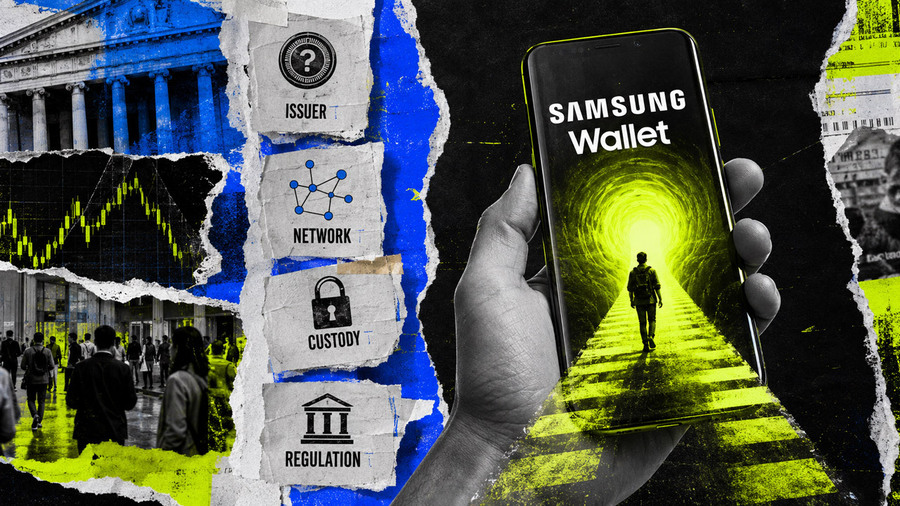
Samsung drew the attention of the crypto community this week after stating in its official Galaxy Unpacked recap that future updates to Samsung Wallet will support native stablecoins.
The announcement has sparked speculation over which stablecoin issuer and blockchain network Samsung will ultimately choose for its digital wallet ecosystem.
However, the company has yet to provide any technical or commercial details.
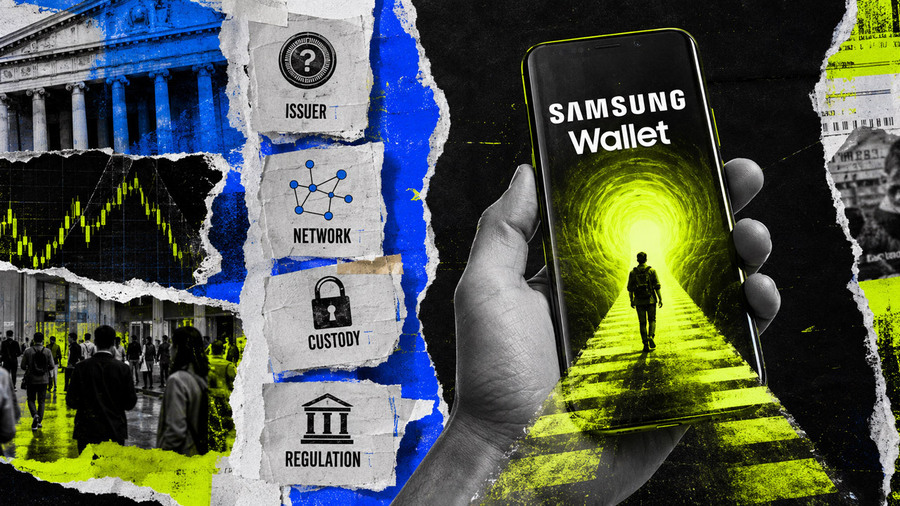
Samsung has not revealed which stablecoin or issuer it will support, the blockchain network it will use, the custody and redemption model, eligible markets, available features, or an official launch date. The company also did not introduce a new crypto wallet during Galaxy Unpacked, as Samsung Wallet already includes several crypto-related capabilities.
Even so, many industry observers believe the announcement could be significant, depending on how the feature is ultimately implemented.
If Samsung Wallet allows users to hold, send, receive, and pay with stablecoins natively, the selected stablecoin could gain substantial exposure and adoption through Samsung’s ecosystem.
On the other hand, if Samsung only offers access through a third-party partner or simply displays balances managed elsewhere, the impact on stablecoin adoption may be far more limited.
Samsung Wallet Already Has Crypto Integrations
Before unveiling its stablecoin roadmap, Samsung Wallet already served as a hub for digital payments, digital keys, IDs, boarding passes, and several crypto-related services.
In July 2025, Samsung also integrated Samsung Pay with Coinbase, allowing users in the United States and Canada to use it as a payment and deposit method on the crypto exchange.
That partnership merely connected Samsung’s payment infrastructure with Coinbase. The newly announced stablecoin roadmap, however, could move Samsung deeper into the digital asset transaction ecosystem, although the company has not confirmed how the feature will function.
Distribution Potential Depends on Product Design
Samsung is often associated with a figure of 800 million users, but that number actually refers to the company’s target for Galaxy AI-enabled devices by the end of 2026—not Samsung Wallet users or devices that will necessarily receive stablecoin support.
As a result, it should not be viewed as a direct measure of potential stablecoin adoption.
Samsung will have full control over how stablecoin functionality appears within Samsung Wallet. If one stablecoin becomes the default option, its issuer could receive significant visibility across Samsung’s ecosystem.
Conversely, if the feature simply redirects users to a partner’s platform, much of the distribution advantage would belong to that partner rather than Samsung itself.
Stablecoin, Blockchain, and Custody Choices Remain Unknown
Samsung has confirmed that stablecoin functionality is coming to Samsung Wallet, but it has not disclosed which token, blockchain, or service providers will be involved.
The issuer Samsung selects will determine which stablecoin users interact with and who is responsible for reserve backing and redemption.
Samsung could support a single stablecoin, multiple stablecoins, or simply provide access through a third-party provider.
The custody model will also shape the user experience.
Under a custodial model, assets and private keys are managed by a service provider. Under a self-custody model, users retain full control over their private keys.
Samsung has yet to clarify whether users will be able to store stablecoins directly in Wallet, transfer them to external wallets, use them for payments, or merely access balances managed by another provider.
In other words, the phrase “supports stablecoins” leaves many implementation possibilities open.
Regulation Will Play a Major Role
The final product design will also determine Samsung’s regulatory responsibilities.
In the United States, the GENIUS Act establishes a regulatory framework for payment stablecoin issuers and custodians. Meanwhile, the European Union regulates stablecoins under the Markets in Crypto-Assets (MiCA) framework.
Samsung has not indicated whether it plans to act as a stablecoin issuer, custodian, or redemption provider.
Blockchain selection is another critical factor.
If Samsung supports only one blockchain, that network would become the primary settlement layer for Wallet transactions. If it adopts a multichain approach, the company would need to address interoperability challenges across different blockchain networks.
Launch Timeline Still Uncertain
Samsung has not announced which countries will receive the feature first or which Galaxy devices will support it.
Availability may also vary by jurisdiction depending on local regulations. In some markets, users may only be able to hold stablecoins, while others could eventually gain access to payment and transfer capabilities.
Conclusion
Samsung has officially confirmed that stablecoins are coming to Samsung Wallet, but nearly every major implementation detail remains unknown.
The market is still waiting to learn which stablecoin will be supported, which blockchain will power the service, how custody and redemption will work, where the feature will launch, what transactions it will enable, and when it will become available.
If Samsung ultimately delivers a fully native experience that allows users to hold, send, receive, and spend stablecoins directly from Samsung Wallet, it could become one of the strongest catalysts for mainstream stablecoin adoption. However, if the feature is limited to third-party integrations, its impact is likely to be considerably more modest.