
SEC Warns Crypto Vaults Could Face Securities Scrutiny Over Human-Controlled Yield Strategies
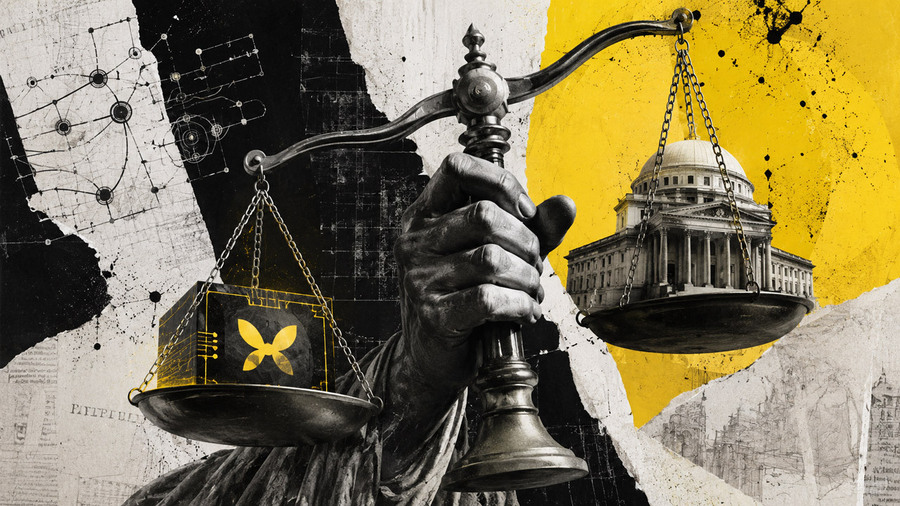
SEC Commissioner Hester Peirce has warned that crypto vaults involving human decision-making in managing assets and generating yield could face scrutiny under U.S. federal securities laws.
Morpho Vault V2 offers a relevant example because its architecture separates the responsibilities highlighted by Peirce. In the protocol, curators design the investment strategy and appoint allocators, while allocators deploy assets within the limits set by the curators.
Morpho is a decentralized finance (DeFi) lending protocol, and Vault V2 packages curated lending strategies into onchain vaults. Although users interact with smart contracts, curators still determine where capital is allocated and how much risk the vault can take.
If regulators conclude that this level of human involvement constitutes investment management, the implications could extend beyond Morpho to a broader range of DeFi yield-generating products.
In a statement released on July 22, Peirce said crypto vaults exist on a spectrum. Some operate entirely through immutable code, while others give humans significant control over asset management.
According to Peirce, securities law concerns may arise when individuals decide how a vault generates yield, reallocate assets, or appoint others to make those allocation decisions.
Peirce’s statement did not mention any specific protocol, including Morpho, and does not represent an SEC rule, order, or enforcement action. She emphasized that the legal outcome would depend on the structure and activities of each individual vault.
In Morpho Vault V2, the curator plays a central role by selecting the protocols, markets, and assets available to the vault. Curators also enable investment routes through adapters, define risk limits, and appoint allocators responsible for moving assets within those parameters.
These responsibilities closely match two of the examples cited by Peirce: selecting yield-generating strategies and choosing the parties responsible for asset allocation. Curators can also set management and performance fees, designate fee recipients, and enable optional compliance controls. While Peirce did not identify fee-setting alone as a securities trigger, the curator’s broad authority could attract regulatory attention.